General, coronary & structural cardiology · Heidelberg & Knox
The latest techniques, guided by the evidence.
Fellowship-trained at Monash Heart and Toronto General Hospital. The cardiologist who sees you in clinic performs your procedure.
- Phone03 7034 4222
- HealthLink EDIdrjramzy
- Fax03 9923 6308
- New referralsWithin two weeks
Conditions, in plain words
From a new murmur or palpitations to angina, valve disease and heart failure: the symptoms, the tests that help and the treatment options.
- 01Coronary artery disease and anginaNarrowing of the arteries that supply the heart muscle.
- 02Heart attack and recoveryCare after a heart attack, and preventing another one.
- 03Aortic stenosis and valve diseaseNarrowed or leaking heart valves, including TAVI assessment.
- 04Atrial fibrillation and stroke preventionAn irregular heart rhythm, and lowering the risk of stroke.
- 05PFO and atrial septal defectsOpenings between the upper chambers of the heart.
- 06Heart failureWhen the heart is not pumping or filling as well as it should.
- 07Palpitations and abnormal heart rhythmsA racing, pounding, fluttering or skipping heartbeat.
- 08Chest pain assessmentWorking out whether chest discomfort is coming from the heart.
- 09Cardiac risk, cholesterol and blood pressureUnderstanding and lowering your long-term heart risk.
- 10Adult congenital heart diseaseHeart conditions present from birth, cared for into adult life.
Procedures, performed by the cardiologist you see in clinic
Dr Ramzy performs coronary and structural heart procedures himself, so the doctor who assesses you is the doctor who treats you.
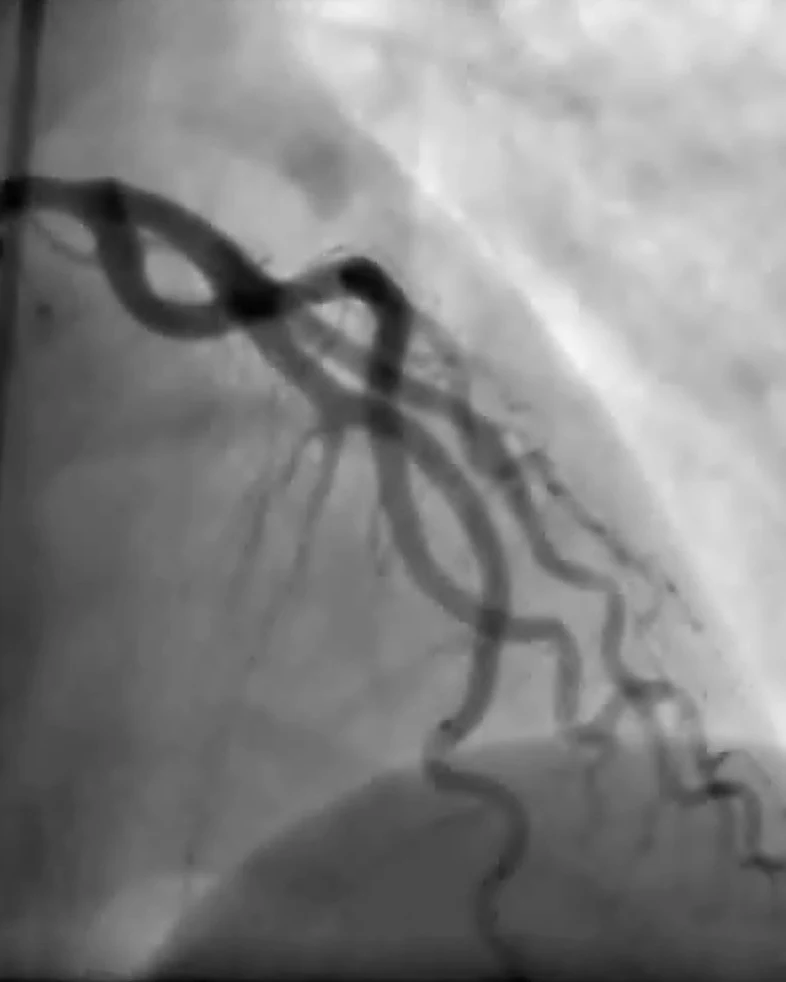
Coronary
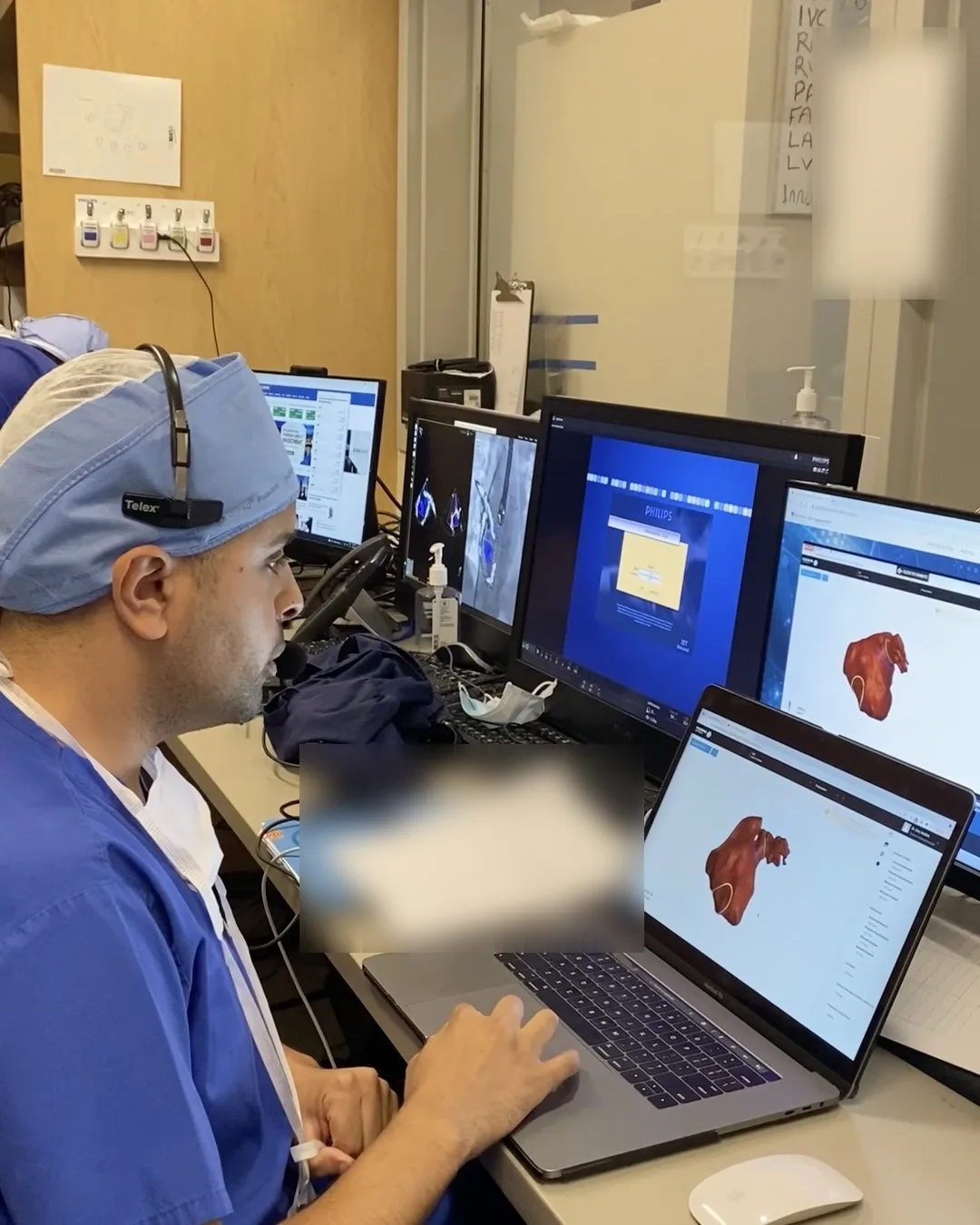
Structural heart
- TAVI (transcatheter aortic valve implantation)Replacing a narrowed aortic valve through an artery in the leg.
- PFO and ASD closureSealing an opening between the upper heart chambers with a folding device.
- Left atrial appendage occlusionA small plug that lowers stroke risk in atrial fibrillation without lifelong blood thinners.
Coronary stenting
Measured, not estimated
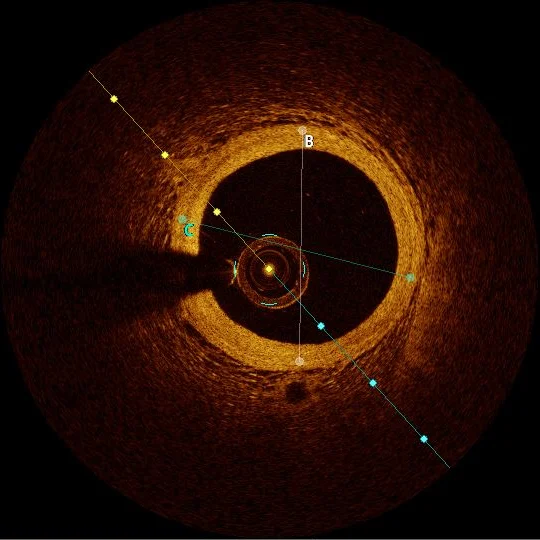
Before placing a stent, Dr Ramzy measures how much a narrowing affects blood flow and looks inside the artery to size the stent. Step through how it works.
How a coronary stent is placed
Step 1 of 4
A pressure wire confirms the narrowing is reducing blood flow, so a stent is only placed where it helps.
An ultrasound (IVUS) or light-based (OCT) catheter maps the plaque and the artery’s true size.
A balloon carrying the stent is inflated, pressing the stent into the artery wall.
The balloon is removed and imaging confirms the stent is fully expanded and well positioned.
Trained in Melbourne and Toronto
Dr Ramzy trained in five of Melbourne’s cardiology units, then completed a two-year interventional fellowship at Monash Heart and an advanced structural and adult congenital fellowship at the Peter Munk Cardiac Centre, Toronto General Hospital.
- Qualifications
- MBBS (Melb), BMedSc (Melb), FRACP
- Hospitals
- Knox Private Hospital, Warringal Private Hospital, Epworth Richmond, Epworth Eastern, Mulgrave Private Hospital, St Vincent's Private Hospital, Northern Private Hospital. Public appointment at Northern Health.
- Languages
- English and Arabic






For GPs and referrers
Referrals by HealthLink are the fastest. The team then contacts your patient directly to book.
- 1
Refer
HealthLink drjramzy, fax 03 9923 6308 or the online form.
- 2
Tests, if useful
Optional tests before the visit, such as an ECG, echo, stress echo or CTCA.
- 3
Consult
All new referrals are offered an appointment within two weeks, usually sooner. A letter follows to you after every visit.
- 4
Procedure
If needed, performed by Dr Ramzy at an accredited hospital, with you kept informed.
Heidelberg, Knox and telehealth
Heidelberg
Specialist Consulting SuitesSuite 8, 210 Burgundy StreetHeidelberg VIC 3084Open in MapsKnox
Knox Private Hospital Consulting SuitesSuite 8b, Ground Floor, Knox Private Hospital262 Mountain Highway, Wantirna VIC 3152Open in MapsTelehealth
Video or phone consultations for follow-up and for patients who live further away. A current referral is still needed.
How telehealth works